
IKEA’s restructuring journey in China
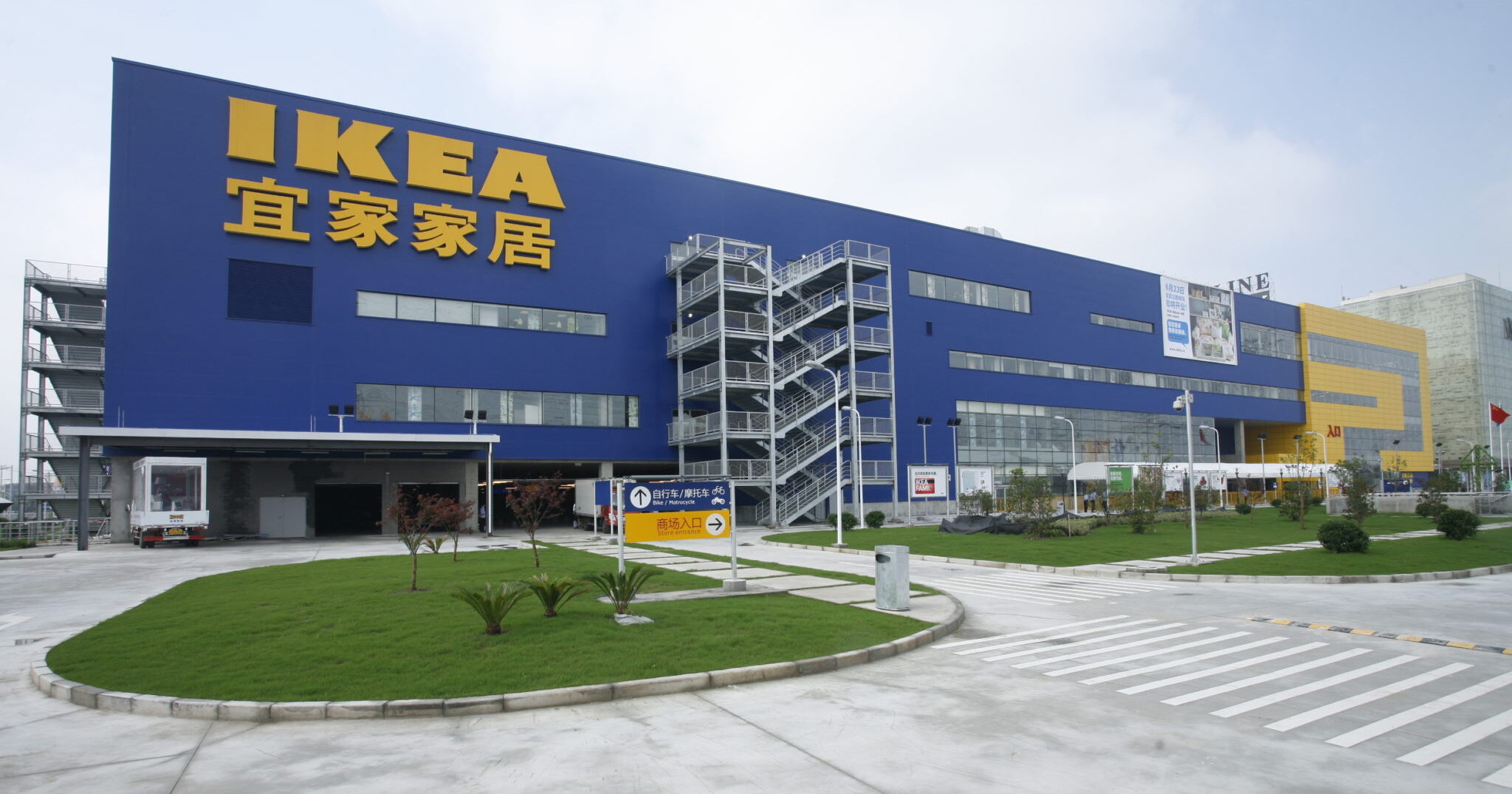
In early 2026, IKEA in China closed seven stores in China, including locations in its flagship markets of Shanghai and Guangzhou. For a brand synonymous with its sprawling out-of-town blue boxes, this move signals more than just a routine adjustment. It marks a fundamental recognition that the China of 2026, with a cooling property market, hyper-digital consumers, and fierce local competition, can no longer be served by the playbook that fueled its success over the past two decades.

China’s property market isn’t just cooling; it’s under significant pressure. Official stats show real estate development investment slid 9.8% year-on-year in the first two months of 2025, while new construction starts plummeted by 29.6%. Naturally, fewer new homes mean fewer people buying furniture. But IKEA is pivoting. Instead of waiting for a housing rebound, they’re moving into smaller urban storefronts and leaning heavily into digital channels. By focusing on logistics and treating home décor as a “lifestyle” category, IKEA in China is finding fresh growth in e-commerce, even as the traditional renovation cycle slows down.
Focuses on the 2026 store closures and digital pivot without sounding technical
Against this backdrop, IKEA is executing a visible restructuring of its China footprint. IKEA in China announced it would close seven stores in China starting February 2, 2026, including locations connected to major markets like Shanghai and Guangzhou, plus several other cities. The company framed the move as “store network optimization” and a shift from growth-by-scale toward more focused market cultivation. Reports highlighted long queues and emotional responses to store closures, suggesting IKEA’s strong brand equity, which can be leveraged in new formats if the company executes its strategy effectively.

Highlights IKEA’s move into Tmall, JD.com, and other online channels
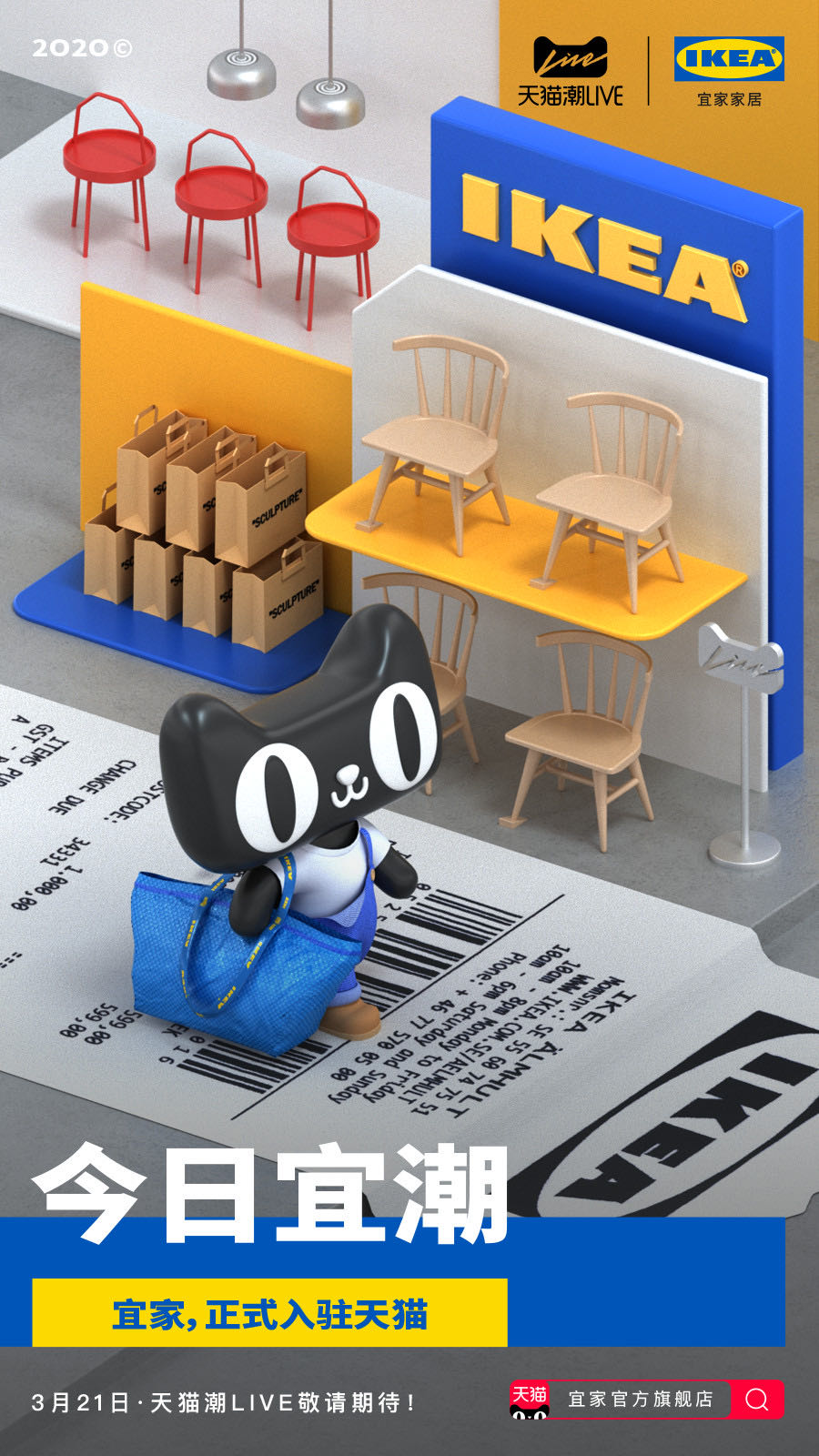
E-commerce is central to IKEA’s China strategy because Chinese consumers already shop for home goods on dominant platforms, and the competitive arena is increasingly won by speed, convenience, and content-driven discovery. IKEA’s online expansion has been concrete: it joined Alibaba’s Tmall in March 2020 and then launched a digital store on JD.com in August 2025, described as its second major partnership with a Chinese e-commerce giant.
The JD.com partnership, launched in August 2025, went beyond a symbolic storefront. By integrating with JD Logistics, IKEA in China gained immediate access to a best-in-class delivery network, directly addressing its historical weakness in e-commerce fulfillment. This collaboration allows IKEA to compete on speed and reliability with local rivals, while simultaneously expanding its online presence. Ingka Group, IKEA’s largest retailer, has committed to investing 6.3 billion yuan (about US$877 million) in China by 2027, underscoring IKEA’s commitment to the Chinese market and its strategic pivot to strengthen its digital and logistical capabilities.
Digital channels also matter because of scale and efficiency. Reuters reporting around the restructuring noted that China is about 3.5% of IKEA’s global sales, and a growing share of that revenue is coming through online channels. This means that improving conversion and logistics online can materially impact performance even if some big stores close.
Captures small urban formats and improves customer experience
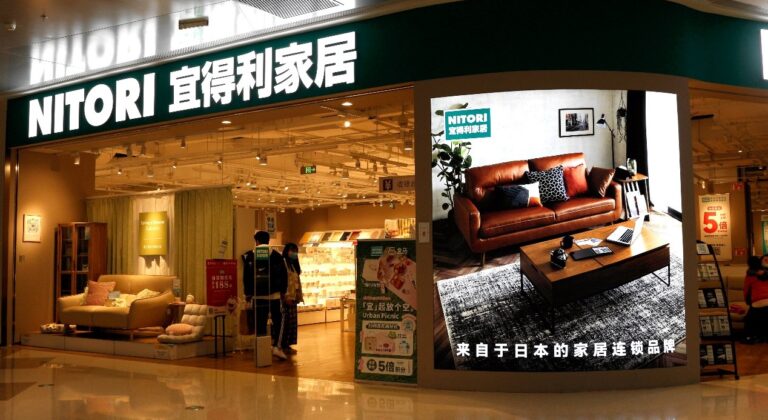
IKEA’s format innovation is best understood as “smaller, closer, faster.” Big-box stores built the brand in earlier decades, but the 2026 plan prioritizes small-format stores located nearer to dense urban demand. IKEA’s own statement describes a move toward “precision-driven penetration,” beginning with Beijing and Shenzhen as priority markets and pairing new small stores with continued investment in existing stores.
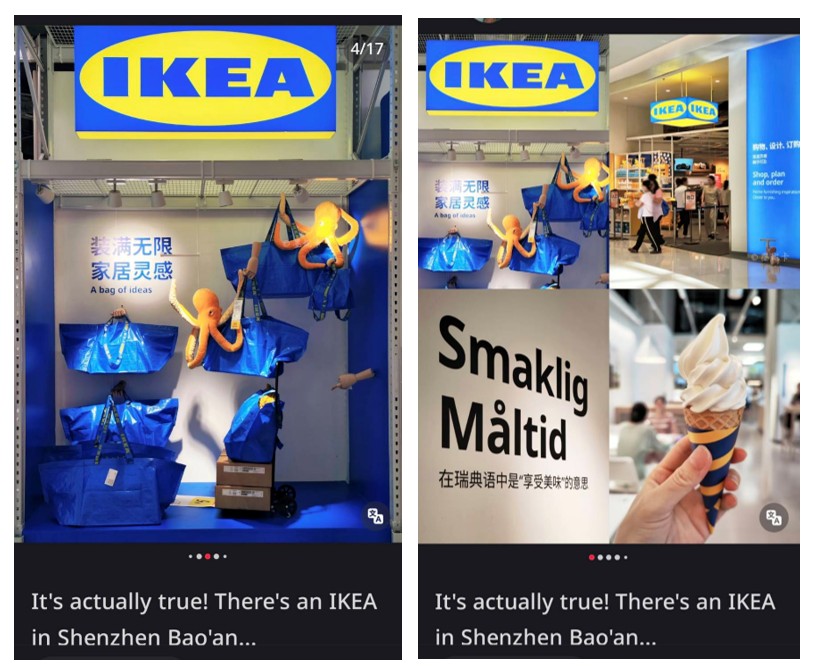
Why small formats now? They align better with modern shopping behavior: consumers often want inspiration and planning help in-person, but they also expect the transaction and delivery to be digital and convenient. Financial Times reporting on the China strategy emphasizes this pivot away from suburban warehouse dependence toward city-center locations and a strengthened online presence, reflecting IKEA’s broader global transformation.
Forward-looking, about strategy and future plans
As IKEA looks ahead to 2026 and beyond, its challenge in China extends beyond operations—it’s about adapting to a shifting consumer demand. With the decline in new-home activity, demand for furniture tied to first-time home purchases has dropped, exacerbated by the slowdown in the property sector (investment down 9.8% in early 2025, new construction starts down 29.6%). Meanwhile, competition from local brands and e-commerce-native home retailers is fierce, as they can quickly adjust to price changes, social commerce trends, and fast delivery expectations. To stay competitive, IKEA must not only deliver quality products but also enhance its digital experience and logistics execution.
IKEA in China stated its response is a coordinated package:
- Right-size the store network (closing seven stores as of February 2, 2026, while continuing operations elsewhere).
- Accelerate smaller urban formats, with 10+ small-format stores planned in the next two years and early 2026 openings referenced in official messaging.
- Double down on omnichannel, explicitly routing customers through IKEA’s app/website plus WeChat, Tmall, and JD.com for continuity and reach.
- Back it with investment, including Ingka’s 6.3 billion yuan by 2027 plan and platform/logistics partnerships that strengthen delivery capability.
IKEA’s strategy in China is clear. With the demand for big-box stores more uncertain in a slower housing market, the company plans to safeguard growth by becoming more integrated into daily life in cities. This includes creating more accessible locations for browsing and planning, as well as streamlining the process from online shopping to home delivery. This approach is why IKEA continues to see China as a key market, even as it reconfigures its physical presence. If executed successfully, IKEA’s 2026 restructuring will position the company for a more resilient future in China, one that’s less reliant on housing booms and more focused on urban convenience, digital discovery, and fast delivery.
Key takeaways from IKEA’s latest move in China
- In early 2026, IKEA is closing seven stores in major cities like Shanghai and Guangzhou as part of a strategic shift away from its traditional reliance on large, suburban “blue box” stores.
- IKEA’s new small-format stores are designed for browsing and planning, aligning with modern shopping behavior where consumers seek in-person inspiration but prefer digital transactions and convenient delivery.
- E-commerce is central to IKEA’s new strategy, with the company deepening its presence on dominant platforms like Tmall and JD.com.
- IKEA’s restructuring aims to build a more resilient business model that is less reliant on housing booms and better equipped to compete with agile local brands by focusing on urban convenience, digital discovery, and fast delivery.