
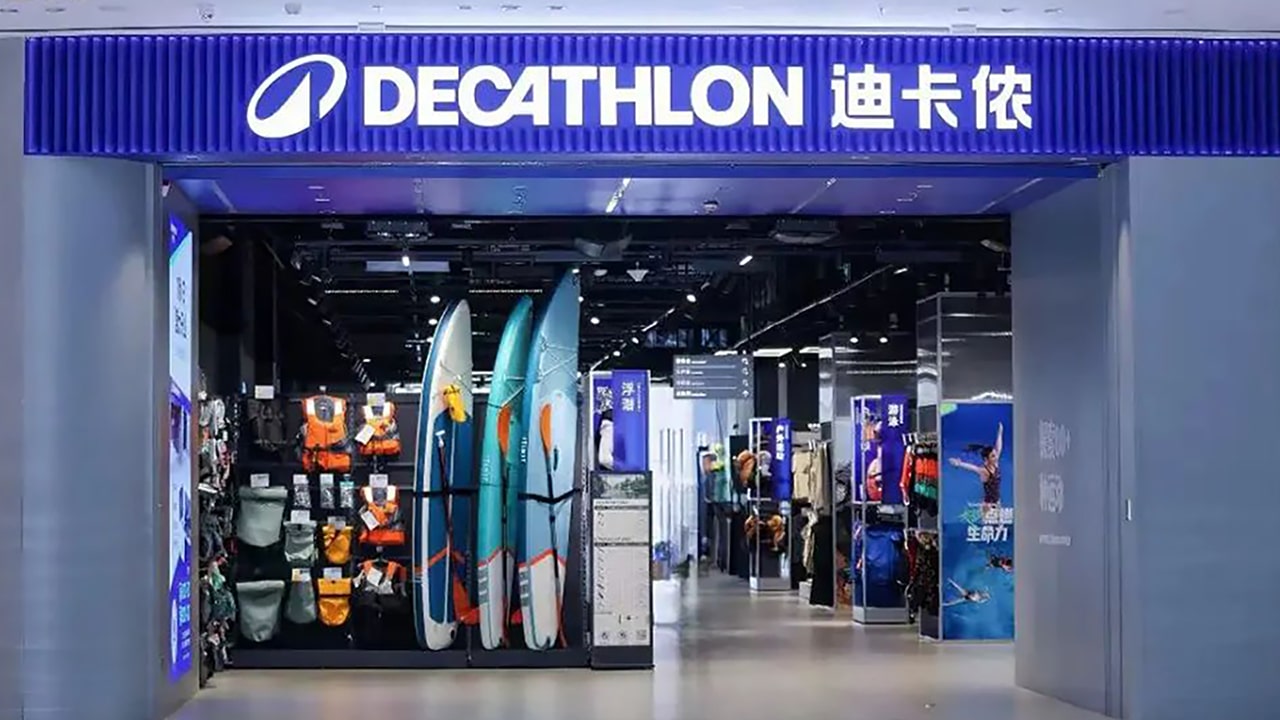
Decathlon opened its first store in Shanghai in 2003 and has been an integral part of China’s retail scene. As the consumer landscape evolves, Decathlon has shifted its strategy. From focusing on expanding its store count, the company now aims to increase profitability and strengthen its connection to local communities.
With competition heating up and consumers going digital, the brand has swapped aggressive growth for something more grounded: community. Look at Anta. They’ve scaled by swallowing up outside brands like Arc’teryx. Decathlon took the opposite path. They’ve stayed lean with a unified, “value-first” portfolio. This keeps the customer journey straightforward rather than a headache of different brand rules. Scaling to over 300 Chinese locations by 2024 was just the baseline. The real win has been keeping that experience consistent at every single door.
Download our summer sports report
From physical footprints to local heartbeats
Decathlon in China is now optimizing its existing stores to ensure they have a greater impact on their surroundings. The company is looking at profitability per square meter and plans to make each store more effective in engaging with its local customer base. This shift signals a move away from an expansionist model to one focused on better serving the communities they’re already in.

Decathlon is focused on creating meaningful connections with the people in the areas where they operate by adding value to their communities. In 2024, Decathlon achieved a 15% increase in profitability per square meter in its stores in China. This reflects the success of its strategy to optimize rather than expand, creating a stronger connection with local consumers.
How digital channels are transforming community engagement and building lasting connections
Decathlon’s China strategy is betting big on “Community-as-a-Service,” effectively turning the brand into a digital fitness partner. Decathlon’s ability to offer high-quality products at affordable prices is due in large part to its vertically integrated business model. By designing, manufacturing, and distributing its own products, Decathlon can control costs and eliminate traditional retail markups. This allows it to offer high-spec gear at competitive prices. This structural advantage makes the “value-first” strategy possible and difficult for many competitors to replicate.
At the center of this is WeChat. Instead of just using the app as a storefront, they’ve built specialized running clubs into mini-programs. It’s a simple but effective loop: members log their miles, join group challenges, and unlock rewards like gear discounts or event invites once they hit their goals. This gamified approach shifts the focus from a one-time checkout to a recurring relationship. Through the app, Decathlon acts as both a coach and a social hub.
Creating a community that “sticks”
In a market as mobile-first as China, this kind of “brand stickiness” is the only way to survive. Decathlon is creating a feedback loop where social connectivity drives long-term loyalty. Decathlon’s ability to offer high-quality products at affordable prices is due in large part to its vertically integrated business model. By designing, manufacturing, and distributing its own products, Decathlon can control costs and eliminate traditional retail markups, allowing it to offer high-spec gear at competitive prices. This structural advantage makes the “value-first” strategy possible and difficult for many competitors to replicate. By embedding themselves into the user’s actual workout routine, they’ve bridged the gap between a digital screen and physical sweat. It turns a casual shopper into a brand advocate because the platform offers genuine utility, not just another “buy now” button.
In a crowded landscape, Decathlon in China is proving that the most successful brands aren’t just sellers. They’re active participants in their customers’ lives. As of 2025, Decathlon’s WeChat running clubs boast over 1 million active users, emphasizing the brand’s success in integrating digital tools to enhance customer engagement and loyalty.
The end of the brand tax: Winning over the rational shopper
China’s market is now run by the “rational consumer” (理性消费者), a group that effectively killed the era of buying for prestige alone. These shoppers are obsessed with “price-to-performance” ratios. They still want pro-grade specs, but they have realized they don’t need to pay a massive “brand tax” when local heavyweights like Anta and Li-Ning are delivering high-spec gear at half the cost. For Decathlon, this means value is no longer just about being the cheapest on the shelf; it’s about proving technical worth without the luxury markup. In 2024, Decathlon saw a 25% growth in sales of mid-range athletic gear, which shows that Chinese consumers are increasingly drawn to products offering high performance at a more accessible price point.

This shift has pushed Decathlon in China way beyond the “hardcore athlete” niche. They are now hunting in the territory of white-collar professionals who are into athleisure. For this crowd, the gym and the office are not two separate worlds. They’re one long day. They need gear that survives a morning commute, looks sharp in a meeting, and still performs during a 5k after work. By nailing this hybrid “urban uniform,” Decathlon has stopped being just a sports store and started becoming a daily wardrobe staple for China’s middle class.
The one-outfit day that blurs the lines between gym and office
Product innovation at Decathlon in China is currently obsessed with one thing: functional fashion. The hard line between performance gear and streetwear has basically vanished. The goal now is a ‘one-outfit day,’ clothing that survives a morning meeting, a subway commute, and a 6:00 PM yoga session without a wardrobe change. Decathlon is hitting that sweet spot for urbanites who demand utility and aesthetics in a single price tag. In 2024, Decathlon launched 30 new hybrid products designed for both sports and casual wear. This range blends fashion with performance and provides customers with versatile, functional clothing for both fitness and everyday use.

The silver economy and the rise of active aging
China’s demographic shift is forcing a retail pivot, and Decathlon in China is leaning hard into the Silver Economy. Older consumers aren’t just sitting back; they’re increasingly health-conscious and active, creating a massive gap for gear that actually fits their needs. Decathlon has started rolling out “age-appropriate” lines that prioritize joint support and ease of movement without looking like medical equipment. It’s a smart play for longevity. By balancing ergonomic comfort with a bit of style, the brand is aging with its customer base, ensuring they don’t lose the athlete just because the athlete is turning 70. With China’s aging population expected to reach 400 million by 2030, Decathlon is capitalizing on this shift. The brand provides products that cater specifically to older consumers seeking comfort without compromising on style.
Relevance over reach and why smaller is smarter
Decathlon is done with the “bigger is better” era of massive retail footprints in China. The new playbook is about relevance over square footage. Instead of just opening more doors, they’re turning existing stores into high-impact community hubs fueled by digital tracking and localized events. The competition with domestic giants like Anta and Li-Ning is cutthroat, but Decathlon’s edge lies in its “value-first” DNA. In a market that’s tightening its belt, providing high-spec, stylish gear at a fair price remains a very hard model to beat. In 2025, Decathlon in China reduced the size of new stores by 20%, focusing on efficiency and digital touchpoints to enhance the customer experience while continuing to drive profitability.
Winning the rational market through innovation and community impact
- Decathlon’s approach in China has shifted toward profitability and making a bigger community impact rather than simply expanding its store network.
- The company is using WeChat and other digital tools to build stronger relationships with consumers, turning shopping into an interactive experience.
- The rise of rational consumers is pushing Decathlon to offer more affordable and stylish products that blend sportswear with athleisure.
- Product innovation is a major focus, with Decathlon blending fashion with performance to meet changing consumer demands.
- The company’s strategy also includes catering to China’s aging population with products tailored to health-conscious seniors.