

The beer market in China is undergoing a significant transformation. For years, the industry was all about cheap, mass-market lagers, but the last decade has flipped the script. There is now a huge swing toward craft beer and experimental flavor profiles. This isn’t just a minor trend. It is a full-scale market overhaul led by a younger generation that refuses to settle for low-quality options. Premiumization is the new standard, and it is forcing the entire industry to play catch-up. China remains the world’s largest beer market by consumption volume and revenue.
China’s beer market has entered a mature stage defined by stable volume but strong value growth. This was driven by premiumization (mid-to-high-end products) and expansion into sinking markets. After declining to a low of 34.11 million kiloliters in 2020, production volume has stabilized between 35 million and 36 million kiloliters annually, reaching 35.36 million kiloliters in 2025. In value terms, the market has grown steadily, with retail market size expanding from RMB 576 billion in 2020 to RMB 734.7 billion in 2024, representing a compound annual growth rate (CAGR) of 6.3%. This growth trajectory is expected to continue, with the market projected to reach RMB 811.1 billion by 2026.
Download our China F&B White Paper
Market segmentation: The blurred line between premium and craft
The market is segmented by product type, with mass-market beer making up 70% of the total market. Premium beer represents 18% of the market, while craft beer has captured 5% of the total market value. However, this figure often includes “craft-style” products produced by large brewers. As a result, the share of independent craft breweries is likely smaller than the headline number suggests. Non‑alcoholic and low-alcohol beers are growing but still account for only a smaller share, at 2%. From a consumer perspective, however, the distinction between premium and craft is often blurred. Many consumers purchasing higher-priced domestic beers, such as Tsingtao’s premium lines, perceive them as “premium” rather than “craft.” This suggests that the shift toward higher price points may be more significant than the shift toward independent craft production.
The market can also be segmented by sales channel. Off‑trade channels (supermarkets, convenience stores, e‑commerce, and instant delivery) now account for 55% of total beer sales, reflecting the growing importance of retail and online purchasing. On‑trade channels (bars, restaurants, and pubs) account for 45% of total beer sales, supporting premium consumption and social drinking.
As digital platforms and instant delivery services continue to rise in popularity, these channels are rapidly becoming key players in the beer market. Platforms like Meituan and Hema provide convenience for consumers seeking quick beer delivery, contributing to the expansion of the off‑trade segment.
The beer market in China is being reshaped by premiumization rather than volume growth
The beer market in China is being reshaped by evolving consumer preferences and premiumization trends. While the volume of beer sold is stabilizing, profits are increasingly coming from high-end products. This indicates that growth is primarily driven by premiumization rather than an increase in overall consumption volume, highlighting a shift in pricing rather than market expansion. Consumers are drinking less but choosing better quality. This is especially true for Gen Z. They care about stylish packaging and unique flavor profiles more than brand loyalty to old-school lagers.
“Packaged beer” sales through instant delivery platforms like Meituan have increased as more consumers drink at home. Since young consumers now prioritize the social experience and natural ingredients, breweries that stick to generic formulas are losing ground. The industry is effectively being rewritten by this new demand for premium and localized brews.
The titans of China’s beer market
From 2017 to 2021, the top five beer companies in China increased their market share from 75.6% to 92.9%, with China Resources Beer (CR Beer), Tsingtao Brewery, Budweiser, Yanjing, and Carlsberg emerging as dominant forces, forming a highly concentrated industry. Instead of competing on volume, profitability can also depend on higher revenue per ton. This has driven brands to focus more on premium beer instead of maximizing production of their mass beer.
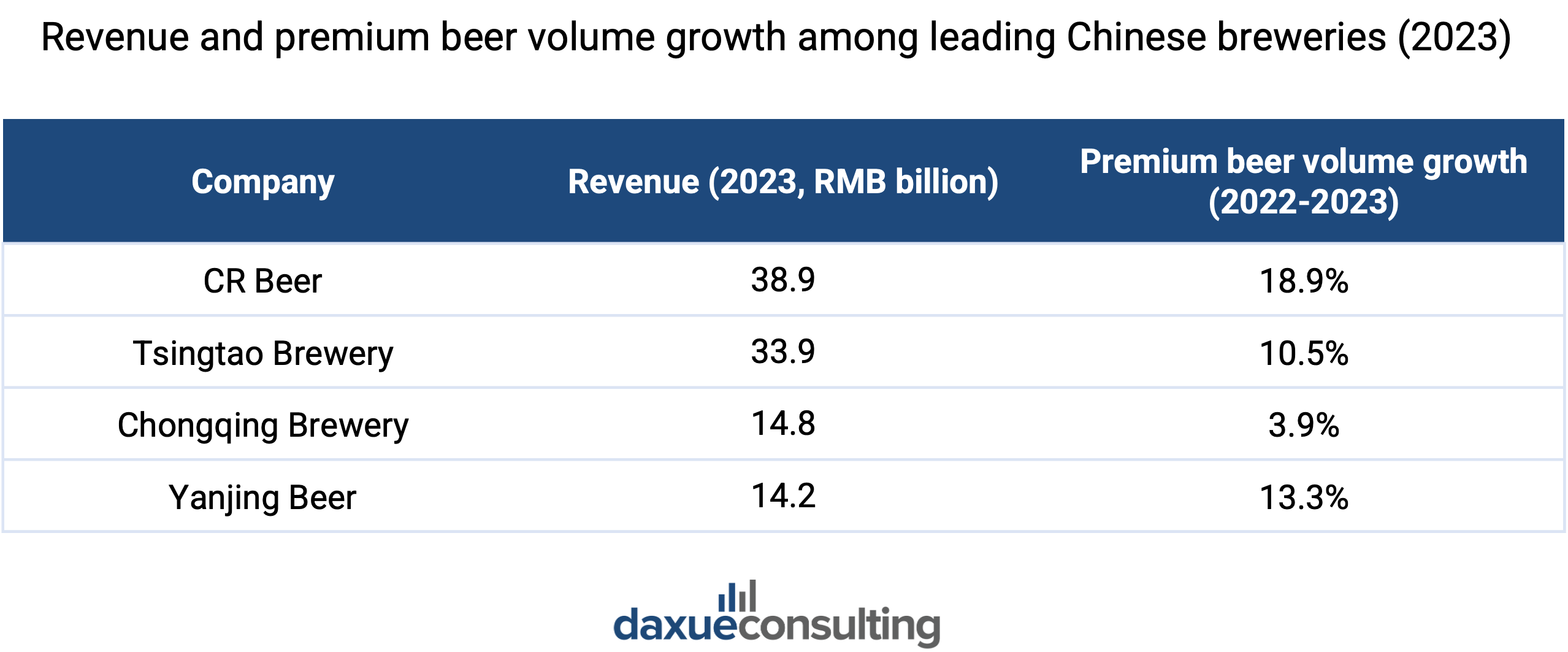
CR Beer, known for its Snow Beer brand, acquired Heineken (China), a move that elevated its overall product pricing and expanded its portfolio with premium offerings, such as Craftsmanship (匠心营造). As part of the premiumization strategy, CR Beer is also venturing into the baijiu market through its “beer + baijiu” dual empowerment model. CR Beer aims to create synergy that would allow beer to inherit baijiu’s cultural heritage and baijiu to benefit from beer’s modern market strategies, thereby driving mutual growth and industry transformation.
Tsingtao Brewery is renowned for its product quality and century-old brand heritage. The company has reinforced its premium positioning through the launch of products like “Hong Yun Dang Tou” (鸿运当头). In particular, the introduction of “A Century of Legends” (一世传奇), an ultra-premium product, underscores Tsingtao’s leadership in China’s beer consumption upgrade.
As part of the Danish Carlsberg Group, Chongqing Brewery benefits from strong international resources and technical expertise, solidifying its leading position in the local market while enhancing its competitiveness in the premium segment.
The rise of premium and ultra-premium beers
As middle-income families grow and consumers value high-quality products, they are seeking premium beers, such as Qingdao, Budweiser, and Carlsberg. In response, beer brands have been using premiumization to boost their profit margins and expand their market share. As the beer industry gets more competitive, there’s a need for brands to stand out through unique experiences relevant to young consumers.
“Premiumization can remain effective, but it needs to evolve to an experience-oriented one. Beyond the product itself, brands need to elevate experiences, such as pairing beer with curated dining experiences or interactive packaging that enhances the consumer’s connection with the product.”
– Manman, Corporate Innovation Lead at AYO Innovation Consulting
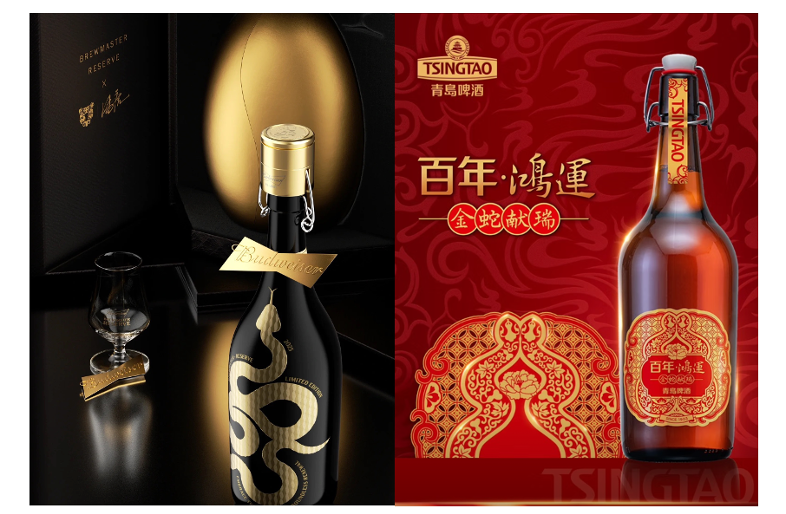
At the ultra-premium end, beer in China is a symbol of a premium lifestyle, much like fine wine and high-end liquor. Leading breweries are using heritage marketing and exclusive packaging to position their most high-end products and appeal to affluent consumers. For instance, Budweiser’s Snake Year Edition is an ultra-premium release priced at RMB 1,988 (about USD 280) per 798 ml bottle, limited to just 3,000 bottles globally, targeting collectors and high-end consumers. Similarly, Tsingtao Centennial Hongyun, priced at RMB 669 (about USD 91), comes in a limited edition gift box, signed brewmaster certification, premium ingredients, and the inclusion of two crystal glasses.
Craft beer leads the way in China’s beer revolution
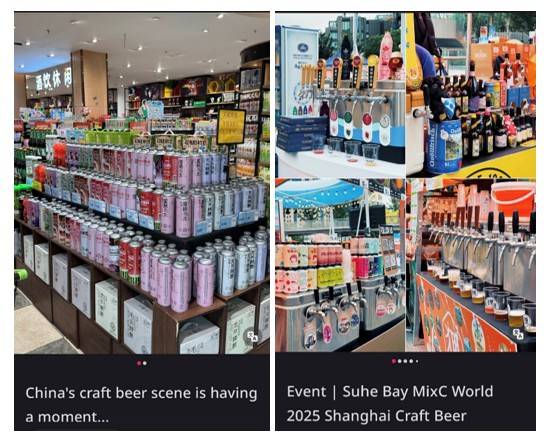
The craft beer segment has certainly expanded at a notable rate of more than 40% annually in recent years. However, this pace of growth may not be sustainable, given structural constraints such as distribution limitations and relatively high price points compared to mass-market beer. The market valuation for China’s craft beer segment was RMB 127.8 billion in 2025 (USD 18 billion), although this figure often includes “craft-style” products produced by large brewers, meaning the independent craft segment is likely smaller in reality. The segment continues to attract interest from younger consumers seeking unique, premium beverages. However, despite these gains, several challenges could impede long-term growth.
One key obstacle is distribution bottlenecks. Smaller craft breweries struggle to scale their operations nationwide due to high distribution costs, particularly for cold-chain logistics and limited local supply chains. This makes it difficult for many craft breweries to expand beyond major cities. Additionally, price sensitivity is an issue: while younger consumers are willing to pay a premium for craft beer, the overall market remains heavily dominated by mass-market lagers, which are more affordable. As a result, craft beer’s higher price point can restrict its accessibility to broader segments of the population.
Furthermore, regulatory risks pose a potential barrier for craft brewers. China’s alcohol-related regulations, including advertising restrictions and labeling requirements, may increase compliance costs for small, independent breweries. These added costs could limit the ability of craft breweries to compete with larger players in the market.
New, innovative craft beers are breaking boundaries in China
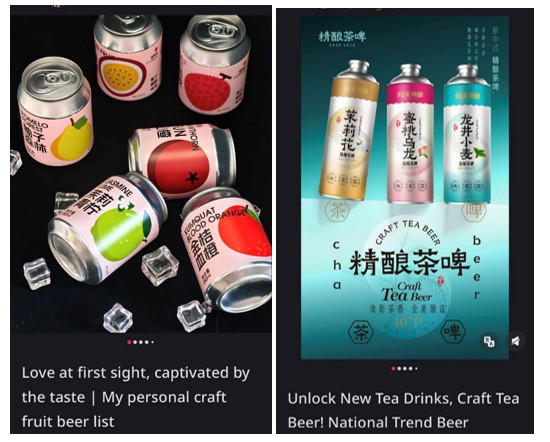
Market shifts across China demonstrate that innovation fuels the current beer market in the Chinese landscape. The specialized craft sector leads this change through a movement known as 新中式精酿. This approach blends traditional regional components with modern brewing methods. Specifically, tea-infused beer(茶啤)has gained significant traction by mixing jasmine or Longjing tea with standard ales to create a fusion that hits home with local palates.
Many brewers also experiment with native fruits like hawthorn or lychee to produce distinctive flavor profiles. These fruit-forward selections satisfy a growing public desire for novelty while maintaining a strong cultural link. Even the rise of milk tea craft beer shows how local trends deeply impact the industry. Such creative offerings successfully draw in younger demographics by providing a unique mix of innovation and familiar cultural roots.
However, these trends are largely concentrated in Tier 1 and Tier 2 cities such as Beijing, Shanghai, and Shenzhen. In lower-tier cities, the market remains dominated by mass-market lagers, with limited evidence of a similar premium or craft-driven transformation.
Government policies are shaping the future of China’s beer market
Official support from the Chinese government remains a primary catalyst for the expanding beer sector. During February 2026, the Ministry of Industry and Information Technology (MIIT) released the Guidelines for the Quality Improvement of the Alcoholic Beverage Industry (2026–2030). This specific roadmap focuses on elevating production standards and fostering technical creativity throughout the industry. Such state-level attention encourages domestic and international breweries to invest more capital in advanced machinery and original product lines.
Local markets now operate under a much more favorable regulatory framework. This environment directly assists the rise of premium craft selections across many provinces. Most analysts expect this strategic policy transition to keep pushing the boundaries of industrial growth for years to come. Such shifts ensure that quality remains the top priority for every major player in the field.
For smaller craft brewers operating on thin margins, upgrading equipment to meet stricter national standards can represent a significant financial burden. In contrast, large brewers such as Tsingtao and China Resources Snow already meet these requirements, suggesting that policy support may accelerate market consolidation rather than foster diversity.
The rise of non-alcoholic and low-ABV beers is changing the landscape
Health and wellness trends are currently reshaping the beverage scene throughout China. Many younger drinkers now favor zero-alcohol and low ABV beers over traditional high-alcohol options. These specific products offer the familiar bitterness of a standard brew without the heavy physical impact. Such a shift makes these drinks a top choice for a demographic focused on fitness and long-term vitality.

Recent data confirms that the zero-alcohol category maintains a consistent upward trajectory. This movement toward lighter alternatives reflects a broader change in how local populations approach social drinking. Modern lifestyle choices continue to push the market toward moderation and quality rather than high alcohol content.
Off-trade channels and instant delivery services are reshaping beer shopping in China
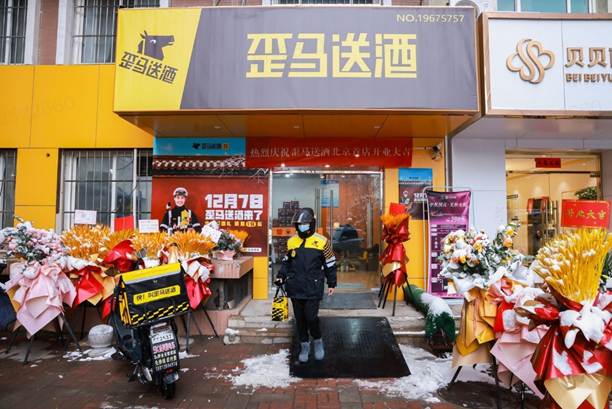
Shopping habits throughout China are undergoing a massive transformation as off-trade channels like supermarkets and discount stores gain significant traction. Digital platforms and instant delivery services such as Hema, JD, and Meituan now dominate the landscape. These tools allow people to buy their favorite brews without ever stepping into a physical retail shop. Most services provide the convenience of home delivery within just a few short hours. Besides, Meituan rolls out an authenticity seal for beer, premium wine and spirits delivery to ensure safety and authenticity. Such features particularly resonate with tech-savvy younger generations who value speed.
This move toward digital sales and rapid shipping also provides a massive boost for small independent craft breweries. These businesses can now connect with a much wider audience without needing to navigate complex traditional distribution networks. Delivery services and off-trade options effectively rewrite the rules for the beer market in China. Modern methods ensure that diverse beverage choices remain both highly accessible and incredibly convenient for the general public.
In practice, these platforms tend to prioritize large, well-known brands in search rankings, meaning that macro-brewers and major importers benefit more from visibility than smaller independent breweries. As a result, delivery may reinforce the dominance of large players rather than level the playing field.
Traditional brewers face intense competition from craft beer in China
In this article, craft beer refers to small-batch or specialty beer that is differentiated by brewing method, ingredients, flavor profile, and branding, and is typically priced above mainstream lager. In China, however, the category often overlaps with premium beer, as some large brewers also launch craft-style products.
Compared with mass-market lager, craft beer generally sits at a higher price point, particularly in bars, specialty retail, and premium consumption occasions. While the segment remains relatively small in terms of total market volume, it has grown faster than mainstream beer in value terms in major urban markets.
Against this backdrop, traditional brewers such as Tsingtao and Yanjing are not being displaced outright, but they are facing stronger competition in premium and differentiated segments. Large brewers still retain advantages in scale and distribution, but are adjusting their portfolios by introducing premium and craft-style products to capture changing consumer demand.
Independent breweries still maintain a fierce competitive edge despite these efforts from the old guard. These smaller operations win over younger crowds by offering inventive recipes that feel both local and fresh. This ongoing rivalry between corporate giants and agile startups pushes the entire industry toward much more diverse product lines. Every company in the field now realizes that constant innovation is the only way to stay relevant in a rapidly evolving landscape.
Young consumers are transforming the beer market with unique preferences
Younger demographics in China act as the primary catalyst for the current beverage revolution. Millennials and Gen Z increasingly bypass standard options to search for premium craft selections. These individuals show a remarkable willingness to experiment with bold brewing styles and unconventional ingredients. Authenticity and a sense of creative freedom draw this specific crowd toward smaller, more specialized labels.
Unique local flavors now represent the top choice for people who crave a more adventurous drinking experience. This behavioral shift forces established beer giants to overhaul their catalogs and invest in inventive product lines. Trendsetting consumers effectively dictate the trajectory of the entire Chinese market. Their specific tastes will likely guide industry standards and manufacturing decisions for the foreseeable future
What’s next? The future of China’s beer market and upcoming trends
The future of China’s beer market appears to be marked by sustained expansion, with several key segments driving growth, including craft beer, alcohol-free and low-ABV beers, and digital commerce. The craft beer segment is expected to continue playing a significant role, with younger consumers seeking premium, locally inspired recipes. However, one implication of this trend is that larger brewers may begin acquiring successful craft brands to capture the growing demand for premium beers. This would mirror global trends, where large brewers have strategically acquired craft breweries to diversify their portfolios and secure a foothold in the premium market. As large players move in, the risk of market consolidation could arise, potentially stifling the very innovation that has made craft beer popular in the first place.
Moreover, the rise of alcohol-free and low-ABV options reflects a shift toward healthier choices among Chinese consumers. As more health-conscious shoppers seek lighter options, brands that offer these beverages will likely see increased demand. However, these options face challenges, including differentiation from traditional beers and the need for strong marketing to position themselves effectively in a crowded market.
The rise of digital commerce and home delivery
In addition, digital commerce and rapid home delivery will increasingly shape how beer is purchased. With platforms like Meituan and Hema growing in popularity, more consumers are opting for the convenience of home delivery. While this creates opportunities for smaller craft breweries to access broader audiences, it also presents regulatory risks, particularly around the delivery of alcohol and changing e-commerce laws. Brewers will need to navigate these complexities carefully, as failure to comply with regulations could limit their market opportunities.
Despite the exciting growth prospects, there are several risks to consider. Distribution bottlenecks remain a key challenge for small craft brewers who struggle to scale beyond major cities due to high logistics costs. Additionally, price sensitivity could limit the broader adoption of craft beers, especially in smaller cities where mass-market lagers dominate. Lastly, regulatory hurdles around alcohol labeling, advertising, and sales could impose additional costs on independent brewers, making it difficult to compete with larger companies that have more resources to navigate these challenges.
Key trends in the evolving beer market in China
- The beer market in China is changing, moving away from cheap lagers and toward craft beers and premium options, driven by younger consumers like Gen Z.
- Craft beer is growing fast as younger drinkers seek unique flavors and better quality.
- Breweries are getting creative, mixing local ingredients like jasmine tea and native fruits to create beers that resonate with local tastes.
- Government support is boosting the industry, improving production standards, and encouraging innovation in beer-making.
- Health trends and delivery services are reshaping beer habits, with more people choosing low-ABV or non-alcoholic beers and using delivery platforms to get their drinks at home.